
London - The Best Time To Visit For Weather Or Budget
Planning your first London trip feels a bit like opening a huge storybook. You know the big names, Big Ben, Buckingham Palace, Tower Bridge, but turning that excitement into a smooth trip can feel hard. The good news is that London works in more than one way. If you're one of those London lovers who wants nice weather, the Best Time to Visit London lets you time it well. If you care more about savings, that works too. And if you want a simple first trip without the stress, a clear five-day plan is often the sweet spot.
4/13/20267 min read
Key Takeaways
Shoulder seasons shine brightest: May, early June, and September mix mild weather (59-70°F), decent daylight, and lighter crowds for easier sightseeing and park walks without peak summer prices.
Save big in winter: January and February bring the lowest flight and hotel rates with calmer museums, though expect cold, gray skies and rain—March and April offer a budget-friendly wake-up with budding parks.
Budget smartly by style: Daily spends range from $110-170 (budget: hostels, free sights), $220-350 (mid-range: solid hotels, mixed attractions), to $400+ (comfort: central stays, tours); central locations and Oyster cards keep costs in check.
Ease in with a 5-day area plan: Group classics (Westminster Day 1, Tower Day 2), hit free museums (South Kensington Day 3), explore neighborhoods (Day 4), and flex (Day 5) to avoid zigzagging and fatigue.
Maps and selective tours simplify: Plan area-by-area with Tube maps and visitor guides; add one guided tour for stories, then go solo for freedom and savings.

Best Time to Visit London for Weather or Savings
London's weather makes you choose a little. Better weather usually costs more. Cheaper months are often colder, grayer, and wetter. That trade-off matters, so it's smart to pick your season before you book anything else.
Current 2026 travel guidance points to May, early June, and September - the shoulder season - as the best mix of mild weather, decent daylight, and manageable crowds. If you want to compare seasonal patterns before locking dates, this London weather and crowd guide gives a useful snapshot.
When London feels best, if you want mild weather and easier sightseeing
May through early June is a lovely time to go. September is strong, too. During these weeks, average temperatures often range from 59 to 70°F, though unpredictable weather means packing layers for comfort during long walks, park breaks, and outdoor photos.
That matters because London is a city you enjoy on foot. Walking through Westminster, crossing bridges, or sitting in St James's Park feels much easier when you aren't sweating in a crowd or hiding from cold rain.
Peak season summer months like July and August have energy from school holidays, but they also bring fuller trains, longer lines, and higher hotel rates. By contrast, late spring and September often feel lighter. Parks look great, outdoor landmarks are easier to enjoy, and you spend less time squeezing through crowds.
Check here on Trivago to start your accommodation search.
When to go if your top goal is spending less
If saving money comes first, look at January and February. These are usually the cheapest months for flights and hotels. You'll often find fewer crowds then, which makes museums and major sights feel calmer.
March and April can be a smart middle ground. Prices are often lower than in summer, but the city starts to wake up. Trees bud, parks look better, and sightseeing feels less bleak than deep winter.
Still, cheaper months come with a price of their own. Expect cold air, gray skies, and some rain. While London doesn't have a specific rainy season, winter can feel that way. Bring layers, a rain jacket, and shoes you can walk in for hours.
London is easier on your wallet in winter, but kinder to your mood in May and September.
Build a London budget that fits your travel style
A London trip can be pricey, but it doesn't have to feel out of reach. Your total depends most on three things, when you fly, where you stay, and how many paid sights you add.
Flights from the US often cost less in off-peak months. Hotels in central areas like Westminster, Covent Garden, or South Bank usually cost more, yet they can save time and transport money. Booking two to three months ahead often helps, especially for spring and autumn dates.
Flights and hotels shape the trip fast. A cheaper room far from the center can look great on paper, but extra Tube time can wear you down. A more central stay may cost more each night, yet it often gives you a calmer trip.
Paid attractions add up too. The city offers free wins, like the British Museum and many other major museums, but spots such as the Tower of London, the London Eye, and West End shows usually need real budget room. For a broad cost check, this London trip cost guide is a handy starting point.
A simple daily spending guide for a budget, mid-range, or comfort trip
Think in ranges, not promises. Prices shift by season, area, and booking date, so always check live rates before you pay.
Here is a simple way to frame your daily spend, excluding flights:
Budget travelers usually do best with casual food spots, bakery breakfasts, supermarket snacks, and London's many free museums. Mid-range travelers can mix one or two ticketed sights with free stops each day. Comfort travelers often stay central, add guided tours, and leave more room for shows or special dining.
For getting around, use contactless payment or an Oyster card for public transportation. It keeps transport simple, and daily caps help stop costs from running wild. If you want a rough planning tool before you book, this 2026 London cost calculator can help you test different trip styles.
Follow an easy 5-day London plan with clear cost expectations
Five days is long enough to feel the city, but short enough to keep your energy up. The secret is simple: group sights by area and stop darting here and there across town.
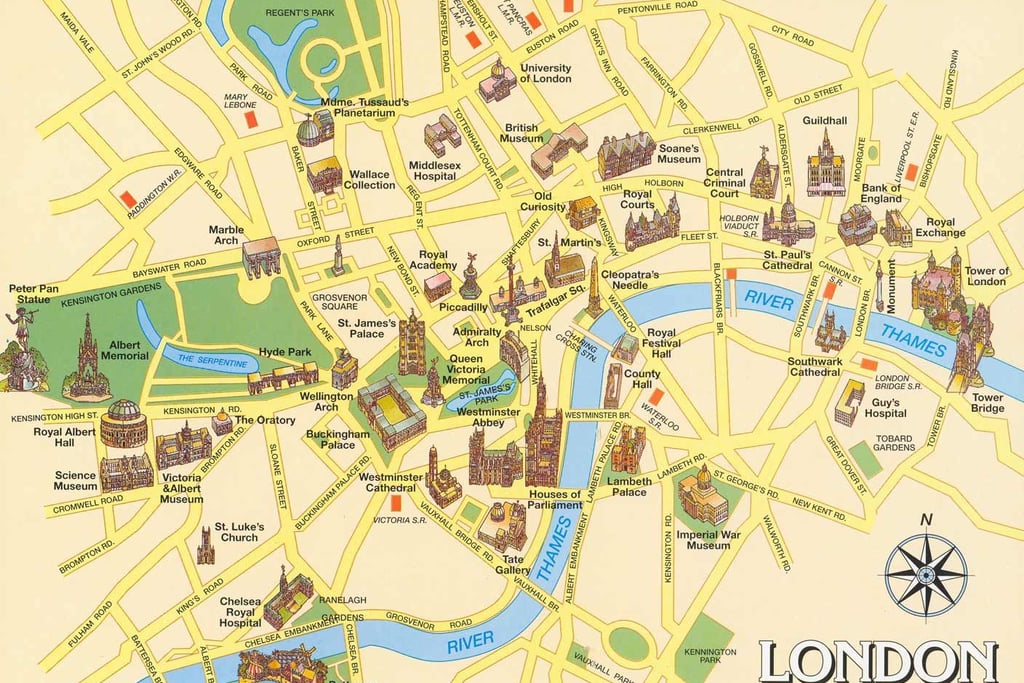
For a printable copy of this map go here
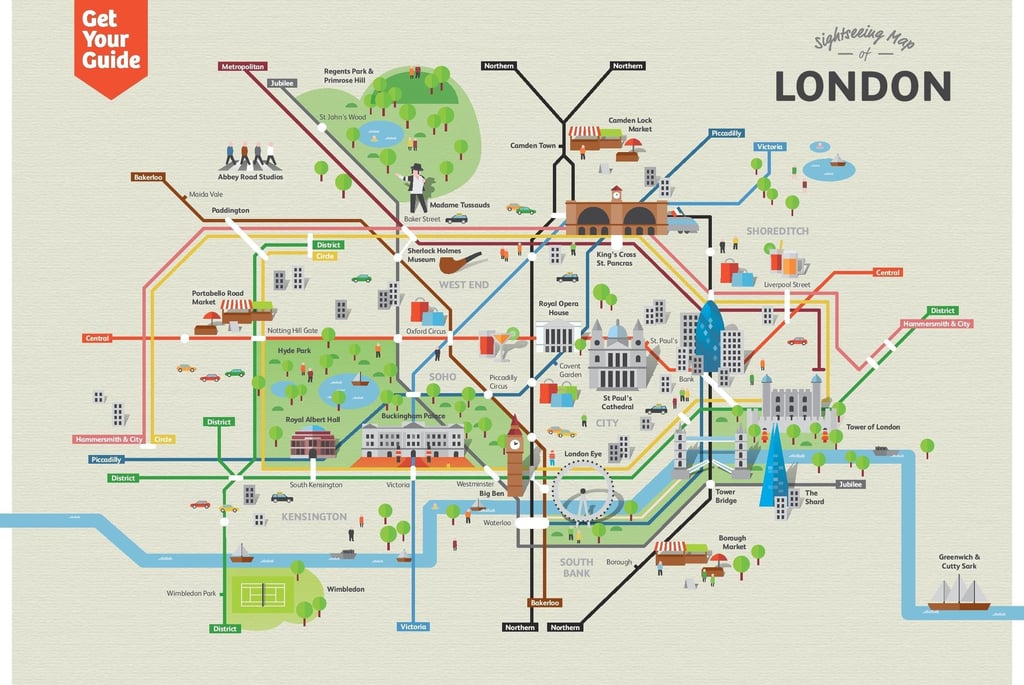
For a printable copy of this underground map go here
Days 1 and 2, see the classic sights without zigzagging across the city
Day 1 works best in Westminster. Start with Big Ben, the Houses of Parliament, and Westminster Abbey. Walk through St James's Park, a great way to see the Royal Parks, to Buckingham Palace, then keep going toward the London Eye area. Much of this day is free to see from the outside, and that's part of the fun. You can see a lot before paying for anything.
If you choose one ticket here, Westminster Abbey or the London Eye makes sense. Pick one, not both, if you're watching your budget.
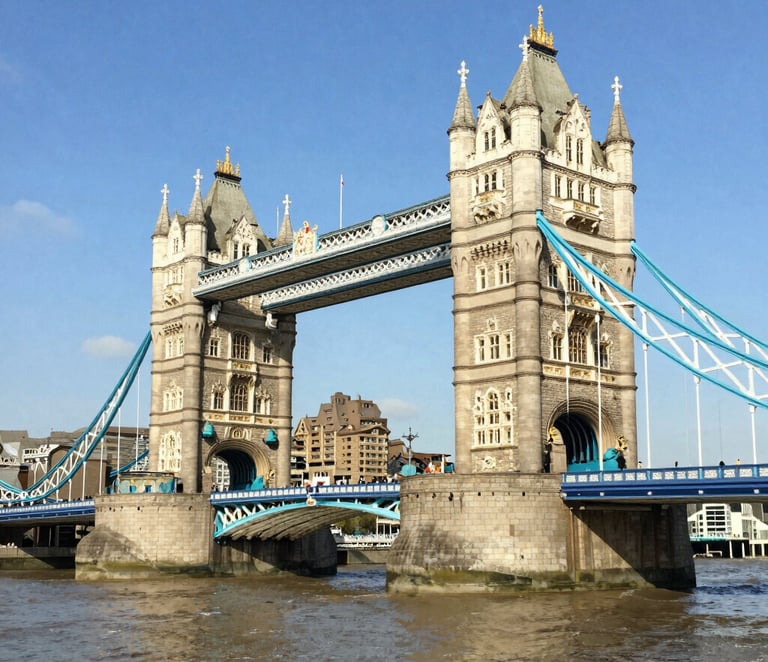
Day 2 fits the Tower area. Visit the Tower of London for one major historical stop, then walk to Tower Bridge and continue along the River Thames. The river walk offers great views for free, and the whole day flows smoothly, with no long stretches of travel.
If you want a fuller first-timer route, this five-day London itinerary shows how these areas fit together.
Days 3 to 5, mix museums, neighborhoods, and one flexible day
Day 3 is perfect for South Kensington. The Natural History Museum, Science Museum, and V&A make this one of the best-value areas in London because much of it is free. You can spend lightly and still feel like you've had a big day.
Day 4 should be about neighborhoods. Try Covent Garden and Soho for streets with energy, shops, and food. If you want a different mood, Camden feels more edgy, Notting Hill feels relaxed with its major event, the Notting Hill Carnival (end of August on the August bank holiday weekend), and Greenwich gives you river views and a little more space.
Day 5 is your flexible day. That freedom matters because London offers more than a checklist. You might want a market, a river cruise, shopping time, or a West End show, or check for major events like Wimbledon, the Chelsea Flower Show, or the London Marathon, depending on the month. For nature lovers, Kew Gardens makes a great option. If money is tight, keep it simple with a neighborhood walk and a free museum. If you've saved room in the budget, this is the day to spend it.
Use maps and tour options to make London feel easy
London gets easier the moment you stop planning sight by sight and start planning area by area. That's where maps help.
How a London tourist map and Tube map save you time every day
Use an official visitor map to spot landmarks and nearby neighborhoods. Then use the Tube map to see the fastest route between areas. Look for London and Transport for London, and phone map apps help too.
When you see that Westminster, St James's Park, and Buckingham Palace sit close together, your day suddenly makes more sense. The same goes for Tower Bridge and the Tower of London, as well as the museums in South Kensington.
When a tour guide is worth the money, and when you can go on your own
A guide is worth paying for when you want the story behind the place, hate planning, or only have a short trip. That can be true for the Tower of London, Westminster, or a themed walking tour.
Going on your own works better when you want freedom, a slower pace, or a lower bill. Many first-time visitors do best with a mix: one guided tour for the big highlights, followed by self-guided days.
London doesn't need a perfect plan. It needs a plan that keeps you moving without wearing you out.
There are over 1,000 London tours and excursions here. Use the filters at the top to find the ones that work for you.
Conclusion
When figuring out the best time to visit London, go for sunny, easy shoulders like May, early June, or September to dodge peak-season crowds. Save money and enjoy quieter streets from January to March, with March and April as a nice middle ground. Even November and December shine with festive Christmas markets, despite the cold and quieter winter months overall.
The best first trip is often the simplest one. Pick your season, set a realistic budget, and use a five-day plan that groups sights by area. That's how London feels less like a maze and more like the city you came to see.
This post contains affiliate links. If you click through and make a purchase, I may earn a commission at no additional cost to you
Contact
Connect
admin@citiesabroad.com
© 2025. All rights reserved.