
Going to Rome on Holiday: A Low-Stress Plan for Seeing the Best of the Eternal City
3/26/20268 min read
Rome can feel like an open-air museum that also happens to serve incredible pasta. The trick is not trying to "conquer" the city. You'll enjoy your Holiday in Rome more when you pace yourself, book a few key things early, and leave room for small surprises.
This guide keeps it simple: how many days to stay, where to sleep, what to reserve ahead, a ready-to-use 4-day plan, and how to eat well without spending like you're at a tourist trap.
How long should you stay in Rome, and what can you see?
Four days is the sweet spot for most people. It's enough time for the big sights, plus neighborhood wandering that makes Rome feel real. With four days, you can do Ancient Rome, the Vatican, and still have time for slow walks, long lunches, and a late-night gelato run.
If you're visiting in March 2026, plan for cool days and some rain. Pack a light jacket and a small umbrella, because Rome is a walking city and weather can change fast. Also check your dates, since the Rome Marathon on March 22 can mean road closures and bigger crowds near major landmarks.
Here's a quick way to choose your trip length:
A simple way to plan each day without burning out
Pick one "anchor" attraction for the day. That's your non-negotiable, like the Colosseum or the Vatican Museums. Next, add 2 to 3 small stops within a 15 to 25-minute walk. Think piazzas, a single church, a viewpoint, or a coffee bar.
Keep your day shaped like a good Italian meal: one main course, then small bites. Build in a gelato break and at least one aimless wander through side streets. Rome rewards curiosity. A quiet courtyard can feel more memorable than a checklist.
When 3 days work, and when you will want 5 or more
Three days work if your schedule is tight, or you're treating Rome as a "greatest hits" stop. You'll focus on Ancient Rome, the Vatican, and one classic evening walk (Trevi, Pantheon area, or Trastevere).
On the other hand, five or more days are ideal if you love museums, linger over meals, or want to take day trips. It's also perfect if you've been before and want repeats, like a second Vatican morning, a longer Trastevere night, or a deep dive into smaller churches and galleries.
Your must-see Rome hits, plus a few wow stops most people miss
Rome's famous sights are famous for a reason. Still, you don't have to see everything to feel like you "did Rome." Aim for a mix: classics you've dreamed about, plus one or two mood-shifters away from the busiest lanes.
Timed tickets matter here. The Colosseum and Vatican Museums can sell out, and the best time slots go first. Book as soon as your dates are firm (book a tour and they will include the tickets), then build the rest of your plan around those reservations.
The rule of thumb that saves your energy: one major sight per day. After that, add smaller stops nearby, then let the city fill in the rest.
The big classics you will talk about for years
The icons are easy to group, so you walk more and commute less.
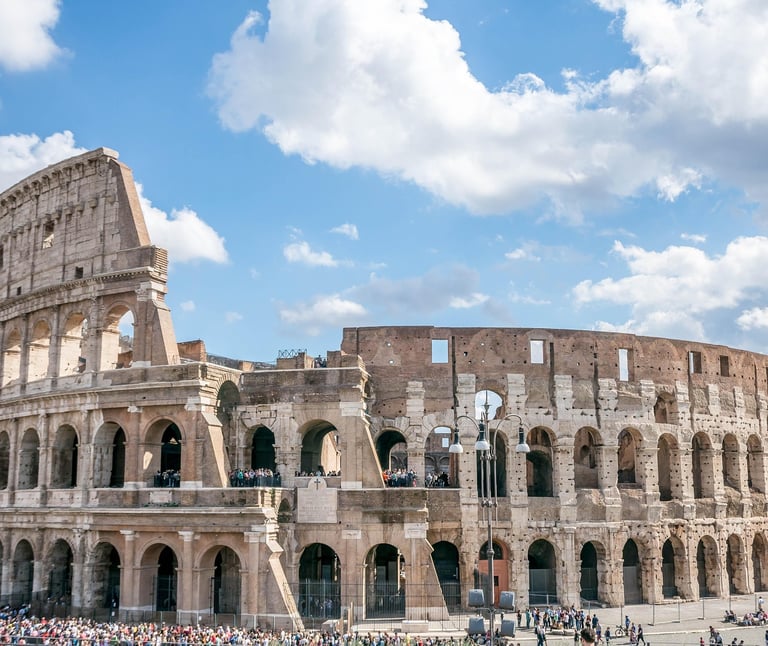
Colosseum: Go early for cooler air and better photos. Pair it with the Forum and Palatine, so you stay in the same area.
Roman Forum + Palatine Hill: This is where Rome comes to life. Give it time, because the scale surprises you.
Pantheon: That oculus moment hits even if you've seen a thousand photos. Historically, entry has often been free, but rules can change, so check current access before you go.
Trevi Fountain: Visit at sunrise or late at night. Midday can feel like shoulder-to-shoulder gridlock.
Vatican: The Vatican Museums and Sistine Chapel can be a lot to take in in one go. With a guide, highlights can fit into about 3 to 4 hours, and you'll waste less time zigzagging.
Crowd reality check: you don't beat the crowds by walking faster. You beat them by starting earlier and keeping your plan simple.
For more ideas on less obvious stops you can weave in, this roundup of hidden gems in Rome can help you choose one that matches your style.
Hidden gems that make your trip feel personal
These are the places that often become your favorite stories later.
First, the Scavi Tour under St. Peter's Basilica is unforgettable if you like history with a hush of mystery. It books out months ahead, so reserve early if it's on your wish list.
Next, consider Ostia Antica. It's an ancient port city with space to breathe. From Rome, you can reach it in about 35 minutes by train from Ostiense (connected to the Piramide Metro stop), then a short walk to the entrance. Go in the morning, and it feels like you rented your own Roman ruin set.
Finally, if you want an "underground tunnels" vibe, pick one catacombs-style experience on the Appian Way. It's a strong contrast to sunny piazzas, and it resets your brain when the city center feels busy.
Where to stay, how to get around, and how to dodge common tourist traps
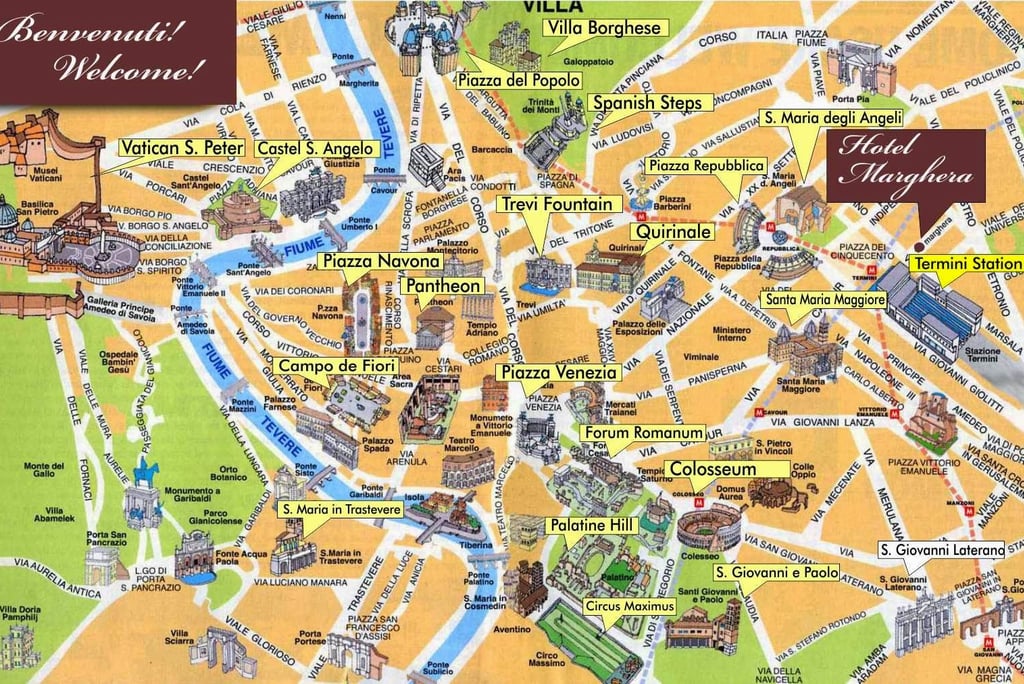
Where you sleep changes your whole trip. Rome looks compact on a map, but your feet will tell a different story after day two. Choose a base that fits how you like to travel, then keep your transport plan simple.
If you're still deciding, this guide to where to stay in Rome for first-timers lays out the pros and cons of each neighborhood clearly.
We strongly recommend using Trivago as a hotel price-comparison site. They will filter your requirements on budget, location, facilities, ratings, and dates. See their massive range for Rome here.
Pick the right neighborhood for your style and budget
Pantheon and Piazza Navona put you in the center of postcard Rome. You'll walk everywhere, but you'll pay for it. If this is your first visit and you want maximum ease, it's a strong choice.
Trastevere is the candlelit, ivy-on-the-walls version of Rome people imagine. Nights are fun, and food options are everywhere. The tradeoff is that there's no Metro stop in the heart of it, so you'll walk or use buses and taxis more often.
Monti sits close to the Colosseum and feels local but lively. You get Metro access, easy Ancient Rome days, and plenty of small bars for aperitivo.
If you want a broader neighborhood snapshot before booking, this ranked review of Rome neighborhoods can help you match your budget to the vibe you want.
Getting around Rome without stress
You'll walk a lot, and that's a good thing. Rome's best moments often happen between the sights.
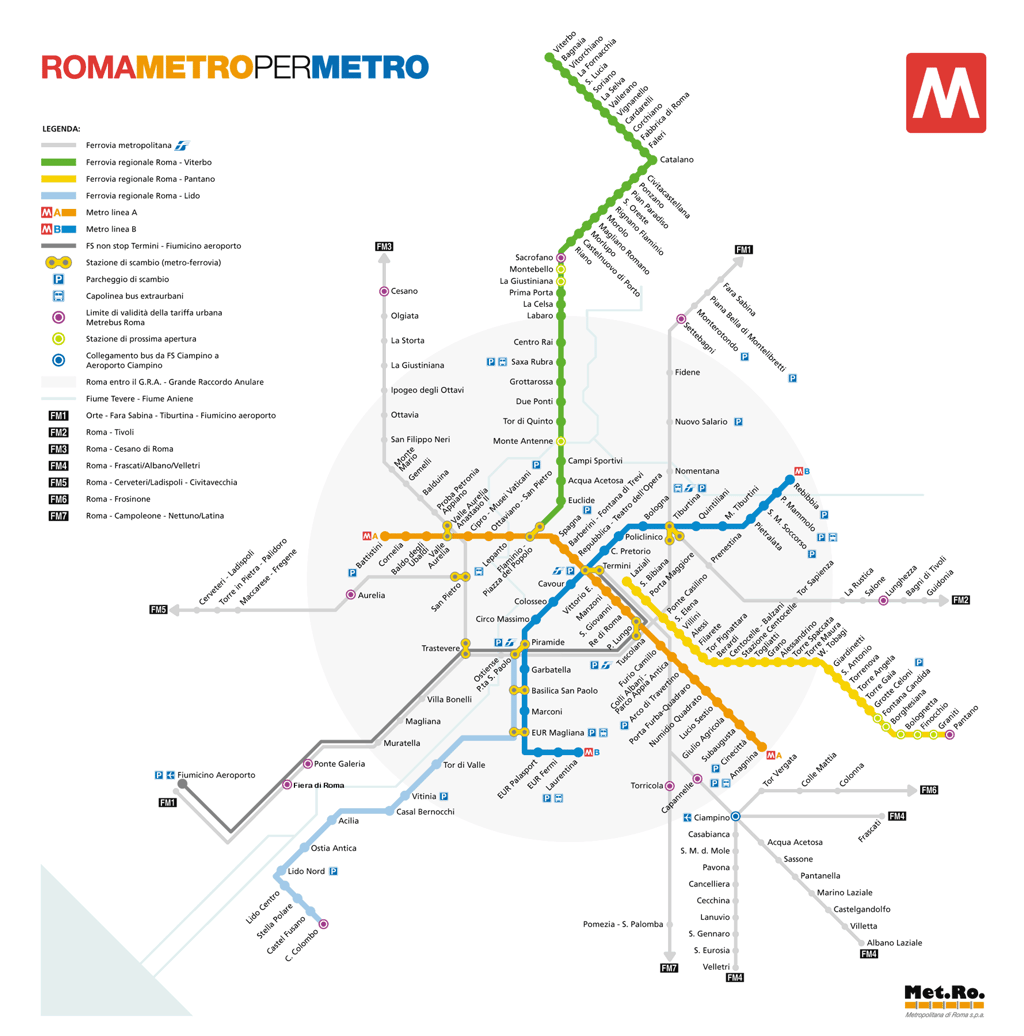
For longer hops, the Metro is straightforward. Most visitors rely on the two main tourist lines, A and B, plus buses for everything else. A transit pass can pay off if you plan to ride several times per day.
RomaPass is one option if you expect frequent rides. The common 72-hour version costs 38 euros and makes sense when your plan includes multiple Metro trips and partner sites. Don't buy any pass on autopilot. Do a quick tally of rides and entries first.
I would advise not renting a car. Traffic is tense, parking is hard, and you'll spend your patience instead of your time.
Simple safety and scam-proof habits that keep your day fun
Rome feels safe, yet busy hotspots attract pickpockets. The goal isn't to worry; it's routine.
Keep your phone zipped away in crowds, especially near Trevi and on packed buses. Use a crossbody bag that closes fully, and don't hang it on the back of a café chair. When someone gets too "helpful" near ticket lines or ATMs, be extremely wary, create space, and keep moving.
One more habit helps a lot: carry only what you need that day. If you lose less, you stress less.
A ready-to-use 4-day Rome itinerary that mixes icons, food, and free time
This plan gives you structure without locking you in. Change meals, move a museum visit, or take a nap when you need it. Rome isn't a race.
If you happen to be in town on the first Sunday of the month, watch for Italy's free museum day. In March 2026, that falls on Sunday, March 1, and it can change your priorities if you don't mind bigger crowds.
Day 1: Get oriented fast, then enjoy an easy first-night stroll
Start with the Welcome to Rome Experience for a one-hour overview. It's a fast way to connect the dots before you start walking through them.
For lunch, go to Antico Forno Roscioli for pizza by the slice and classic Roman bites. After that, keep the afternoon light. Take a relaxed walk toward Trevi, then drift through nearby streets with no strict plan.
If your flight day hits hard, book a golf cart tour instead. You'll see a lot, and your feet will thank you.
Day 2: Ancient Rome day that still leaves time for aperitivo
Start early at the Colosseum, then continue into the Roman Forum and Palatine Hill while the air is still cool. After the ruins, take a long lunch break. This is not the day for a "quick bite."
Later, head to Monti. Browse small shops, grab a coffee, then pick a casual dinner spot. End with aperitivo nearby, because day two should feel celebratory, not exhausting.
Day 3: Vatican day, done the smart way
Book a timed entry for the Vatican Museums and arrive early. The early slots feel calmer, and you'll spend less time stuck behind tour groups.
Inside, keep expectations realistic. You can't absorb every room. Instead, move with purpose and pause when something grabs you. After the museums and the Sistine Chapel, walk to St. Peter's Basilica and give yourself a quiet moment inside.
If you booked far ahead, this is the day for the Scavi Tour. It's intense in the best way, so don't schedule a packed afternoon after it.
Day 4: You choose your own Rome, markets, and neighborhood magic
Day four is your "make it yours" day, and it's often the day you remember most.
Option 1 is a Centro Storico slow walk. Start at the Pantheon, then wander Piazza Navona and nearby lanes. Stop for espresso, then stop again for gelato, because you can.
Option 2 is a full day in Trastevere. Go earlier than most people, when the streets feel softer. Save your nicest dinner for this night, since the neighborhood has energy after dark.
Either way, add a market stop at Mercato Trionfale near the Vatican. Pick up picnic supplies, snacks, and small edible souvenirs that feel more personal than keychains.
If you like comparing itineraries before you commit, this 4-day Rome plan is another useful way to sanity-check what fits.

Guided Tours
Landing in a new city is exciting, but the planning can get messy fast. You see dozens of tours and unfamiliar local companies, and you have only a short window to choose wisely. Viator helps by bringing organized tours and excursions into one single booking platform.
You can book your tours before getting on the plane (and, in the vast majority of cases, there is free cancellation up to 24 hours before the booking), which helps make the holiday relaxed rather than frantic. Viator acts as an agent for tour companies. This makes it easier to compare options, book with more confidence, and save real planning time.
Conclusion
Rome rewards the traveler who slows down. Stay four days if you can, book your biggest tickets early, and plan one major sight per day. Then walk, snack, sit, repeat.
Most importantly, choose one hidden gem so your Holiday in Rome feels like it belongs to you, not to a crowd. Save this itinerary, share it with a travel buddy, and tweak it day by day once you see what kind of Rome you want.
This post contains affiliate links. If you click through and make a purchase, I may earn a commission at no additional cost to you
Contact
Connect
admin@citiesabroad.com
© 2025. All rights reserved.