
Going to Madrid on Holiday: A Simple Plan for Your Best Trip Yet
Madrid grabs you fast. One minute you're crossing a grand plaza under blue skies, and the next you're eating late, laughing louder than you planned, and realizing it's already midnight. The city feels polished and lived-in at the same time, with world-class art, royal corners, and streets that stay busy well after dark. This guide gives you a clean, easy plan for your Madrid holiday: when to go, where to stay, what to see, what to eat, and how to add a day trip without stress. As you go, you'll also see a few landmark photos so you can picture the flow of your days.
3/27/20269 min read
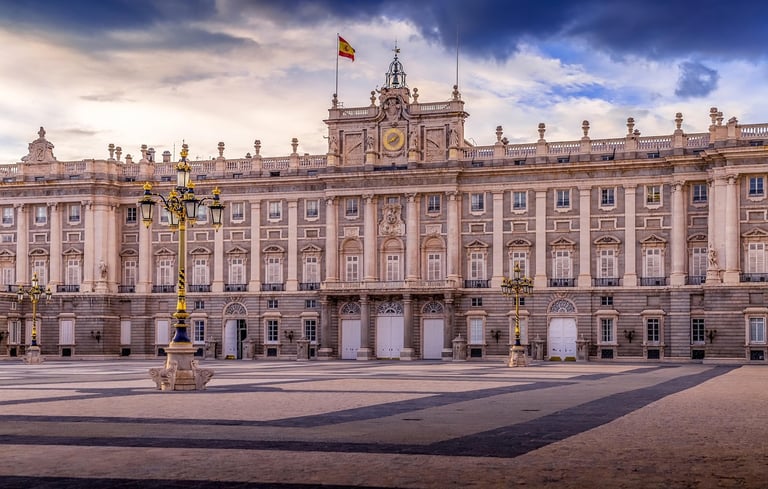
The Royal Palace, Madrid.
Pick the best time to visit Madrid and build a simple trip plan
Madrid has strong seasons, so timing changes your whole vibe. Summers run hot and bright, with long evenings that push dinner later. Winters feel cooler and quieter, which is great if you want museums and cafés without the biggest crowds. Spring and fall usually hit the sweet spot, because the days feel comfortable and the city stays lively.
If you're deciding between months, start with your tolerance for heat and your love of packed streets. For a plain-English breakdown of seasons and crowd levels, check U.S. News guidance on when to visit Madrid. Then build a plan that matches your energy.
Here's a simple checklist that keeps planning light:
Pick your trip length first (it sets everything else).
Book tickets for major sights early if you're traveling in spring or fall.
Expect later meal times, especially on weekends.
Plan one "slow" block each day (park time, a long lunch, or a café stop).
Madrid rewards pacing. If you schedule every hour, the city will feel like a sprint instead of a holiday.
How many days do you need, from a quick weekend to a full week?
Before you book anything, decide what "good" looks like for you. Use this table as a realistic guide.
A weekend works if you focus on the center and choose one "big" activity each day. With 3 to 4 days, you get breathing room, which matters in Madrid because nights run late. A full week feels luxurious, especially if you want to visit museums and take a day trip to a historic place.
What to pack for Madrid without overthinking it
You'll walk more than you expect, even if you use the metro. Bring comfortable shoes you've already worn in.
Next, pack for temperature swings. Light layers help in spring and fall, because mornings and evenings can feel cooler than midday. In summer, prioritize breathable fabrics, sun protection, and a refillable water bottle. In winter, add a warm layer for nights, since the air can feel cold after sunset.
Finally, toss in one nicer outfit. Madrid loves a polished look at dinner, a rooftop bar, or a flamenco night. You don't need anything formal, just something that makes you feel ready for a special evening.
Choose the right area to stay so your Madrid holiday feels easy
Where you sleep shapes your whole trip. A central base can save you time and taxi rides. A neighborhood stay can make the city feel personal, like you've "moved in" for a few days.
As you pick, think about three things: walkability, metro access, and noise. Madrid runs late, so even calm-looking streets can get lively after dark. If you're a light sleeper, choose a hotel on a side street, or pack earplugs.
We strongly recommend using Trivago as a hotel price-comparison site. They will filter your requirements on budget, location, facilities, ratings, and dates. See their massive range for Madrid here.
If you want a helpful neighborhood breakdown with pros and cons, this Madrid area guide for first-timers can help you match a vibe to a map.
Where to stay for first-timers: Sol, Gran Vía, and the center
If it's your first visit, staying near Sol or the Gran Vía makes everything simple. You can walk to major plazas, hop on multiple metro lines, and fill short gaps with coffee stops or quick shopping.
The tradeoff is crowds and sound. Sol stays busy, and Gran Vía is a main artery. To keep it comfortable, look for a room facing an inner courtyard, or a property one or two streets off the main roads.
This area works best when you want early starts, easy sightseeing, and a "step outside and go" feeling.
Where to stay for food, nightlife, and a local feel: La Latina, Malasaña, and Chueca
La Latina feels classic for tapas, especially around its tight streets and small plazas. Malasaña leans indie, with vintage shops, casual cafés, and a youthful night scene. Chueca feels stylish and welcoming, with strong LGBTQ+ culture, good dining, and a confident energy.
All three are fun at night. That's the point. Still, late-night sound is normal, especially on weekends, so earplugs can be the difference between "charming" and "why am I awake at 3 a.m.?"
Don't miss these Madrid landmarks and the best ways to see them
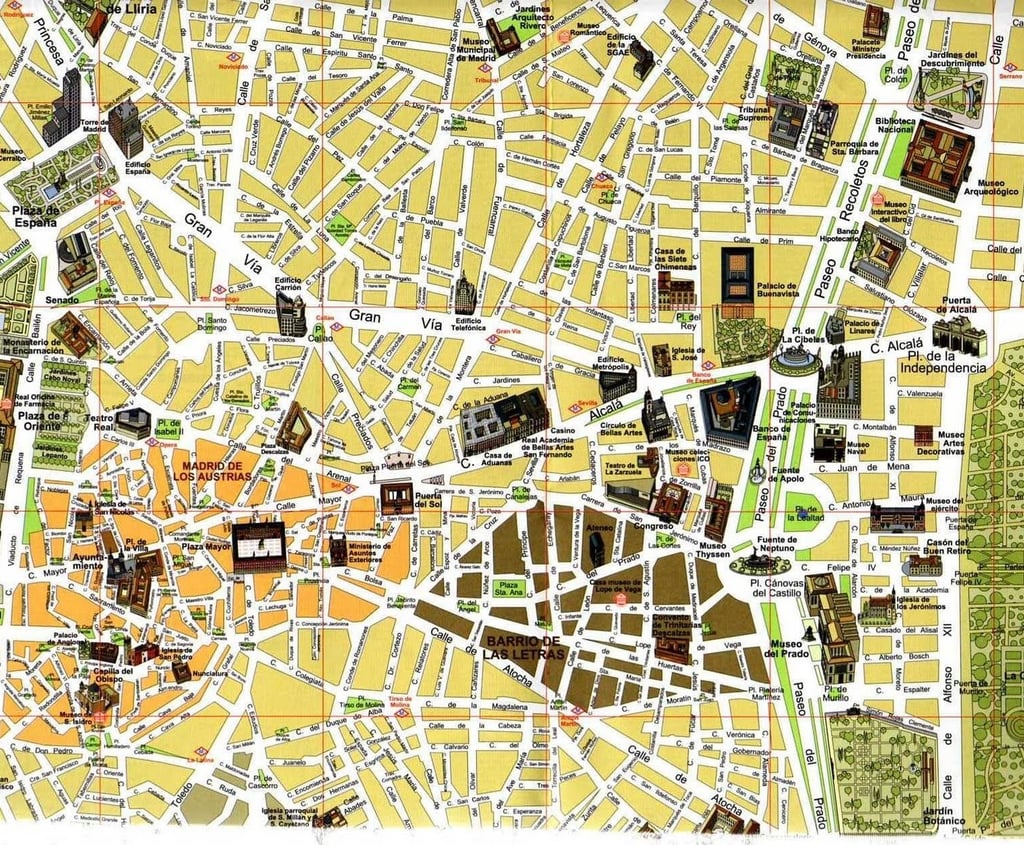
Madrid sightseeing gets easier when you group places by area. Think of it like a playlist: start with the old center, move into the royal zone, slow down in the park, then choose museums based on your taste.
Also, plan your day around timing. Go early for places with ticket lines. Save viewpoints for golden hour. Use mid-afternoon for a slower meal, because you'll enjoy the city more with a little space in your schedule.
Iconic Madrid in one day: Puerta del Sol, Plaza Mayor, and Mercado de San Miguel
Start at Puerta del Sol in the morning. Give yourself 20 to 30 minutes to soak it in, take a few photos, and watch the city warm up. Street life here is the point.
Next, walk to Plaza Mayor. The route takes about 10 minutes, but you'll want to drift, because the side streets tempt you with bakeries and small shops. Once you arrive, pause under the arches and step into the open square. Plan 30 to 45 minutes here, longer if you want a café break.
Then head to Mercado de San Miguel for a snack-style lunch. Aim for 45 to 60 minutes, and don't try to "do it all." Pick two or three bites, share if you can, and save room for later. Mid-day is busy, so go a little earlier if you want an easier time moving around.
Royal Madrid: Royal Palace, Almudena Cathedral, and a sunset at Temple of Debod
Plan this as a half-day that ends with a sunset payoff. Start at the Royal Palace and go early, because lines can form quickly. Give yourself 1.5 to 2 hours inside if you like interiors and detail. For official hours and updates, use the Royal Palace of Madrid visitor guide.
Afterward, walk to Almudena Cathedral. You can keep this stop short, around 30 to 45 minutes, unless you want to sit quietly for a bit. It's a good mental reset after the palace's big rooms.
Finish at the Temple of Debod near sunset. It's one of those places where Madrid suddenly feels soft and cinematic. Arrive 30 minutes early, so you can choose a good spot and watch the light change.
Green break and big-city wow: Retiro Park and the Crystal Palace
Retiro is where you go to breathe. Come mid-morning for calm paths, or late afternoon when the park glows and locals drift in after work. Either way, give it at least 1.5 hours, and more if the weather is nice.
Walk the shady paths, watch rowboats on the lake, and let yourself slow down. A simple picnic works well here, especially if you've been eating heavy tapas.
Don't skip the Crystal Palace. It's airy and bright, making a great "wander in, wander out" stop. The whole Retiro plus Crystal Palace plan feels like a clean pause button in the middle of your city days.
Museum time without burnout: Prado, Reina Sofía, and Thyssen
Madrid museums can be intense if you try to do too much. A simple rule helps: cap most visits at about two hours. You'll stay focused, and you'll leave with real memories instead of tired feet.
Choose museums based on what you love:
Prado for classic paintings and big names.
Reina Sofía for modern art, including Picasso's Guernica.
Thyssen for a wide mix that bridges styles.
Book ahead when you can, especially in busy seasons.
Eat like you mean it: tapas, markets, and classic Madrid dishes
Madrid's eating runs on rhythm. Locals often grab a light breakfast, then a bigger lunch, then dinner late. Tapas fit into that rhythm like punctuation marks, quick bites between walks, museums, and meetups.
Ordering feels easy once you stop thinking of tapas as a "special event." It can be as simple as one drink, one small plate, then a short walk to the next spot. Markets help, too, because you can try a few foods without committing to a single restaurant.
If you have dietary needs, you can still eat well. Look for grilled vegetables, salads, tortillas, and simple fish or meat plates. When in doubt, ask what's in a dish before you order. Staff in tourist areas hear these questions all the time.
What to order first: bocadillo de calamares, tortilla, jamón, and churros
Start with the classics, and you'll feel instantly in sync with the city.
Bocadillo de calamares is a simple fried squid sandwich, usually served with lemon, and is great for a casual lunch.
Tortilla española is a thick potato-and-egg omelet, perfect any time of day.
Jamón (often jamón ibérico) is cured ham with a rich, nutty taste, ideal with a drink.
Churros come hot and crisp, and they shine dipped in thick chocolate.
Make meals more fun: share plates and try one new thing each time you sit down. After a few days, you'll build your own list of favorites.
How to do a tapas night that feels relaxed, not rushed
Think of a tapas night like strolling through a neighborhood with snack breaks. Plan for 2 to 4 stops. That's enough variety without turning it into a marathon.
Start at a bar that looks busy but not packed. Order one drink, then one or two small plates. If you're standing at the bar, you're doing it right. Keep your voice warm, not loud, and watch how others order.
When you're ready to leave, ask for the bill. Don't wait for someone to bring it automatically. Then walk for five to ten minutes and repeat. By the last stop, you'll feel that happy, full-but-not-stuffed sweet spot.
Get around Madrid smoothly and add an easy day trip
Madrid feels friendly for getting around because the center is walkable and the metro is straightforward. You'll often walk between nearby sights, then take public transport to reach a new area.
From the airport, your best option depends on your luggage and where you're staying. With bags, a taxi or ride-hailing can keep things simple. Without bags, public transit usually works well.
Also, keep a city habit in mind: crowded spots attract pickpockets. Keep your phone secure, zip your bag, and don't set valuables on café tables near busy sidewalks. For scams to be aware of, go here.
Metro, buses, taxis, and walking, what you'll use most
In the center, walking often beats everything. The streets are lively, and quick strolls turn into mini-adventures.
For longer hops, the metro is usually the fastest. Buses can be great too, especially when you want to see the city above ground. At night, taxis help when you're tired, dressed up, or carrying bags.
If you want extra ideas for connecting top attractions, this roundup of essential Madrid attractions can help you spot clusters you can walk in one stretch.
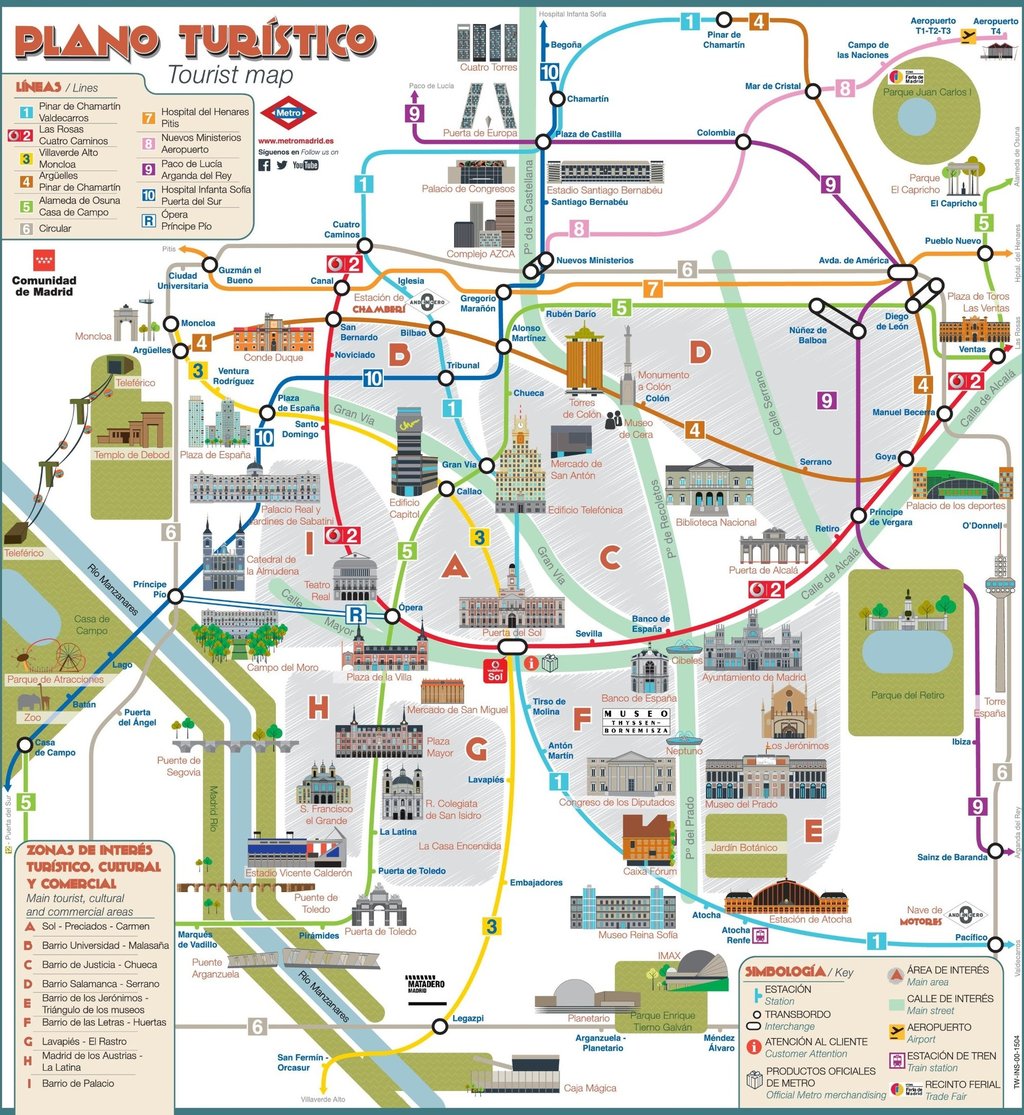
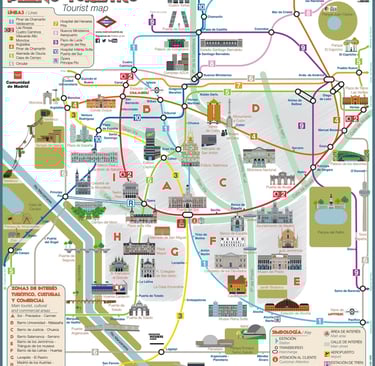
Download a copy of this Metro Map from here.
Best day trips from Madrid: Toledo, Segovia, or El Escorial
A day trip adds a second chapter to your Madrid holiday. You get a new setting, then you come back to Madrid for dinner as if nothing had happened.
Toledo feels like a history postcard, with winding streets and dramatic views from outside the old town. Go for a half day if you just want the highlights, or a full day if you want museums and slower wandering.
Segovia brings instant wow. The Roman aqueduct hits you right away, and it's the kind of sight that makes you stop mid-sentence. Pair it with a relaxed lunch and a walk to viewpoints, and you've got a full, satisfying day.
El Escorial works when you want something calmer and grand. The exterior alone feels imposing, and the whole visit has a quieter, more reflective tone than the city center.
Guided Tours
Landing in a new city is exciting, but the planning can get messy fast. You see dozens of tours and unfamiliar local companies, and you have only a short window to choose wisely. Viator helps by bringing organized tours and excursions into one single booking platform.
You can book your tours before getting on the plane (and, in the vast majority of cases, there is free cancellation up to 24 hours before the booking), which helps make the holiday relaxed rather than frantic.
Conclusion
Madrid feels best when you plan the basics, then leave room for surprise streets and late-night walks. Pick your dates, choose a neighborhood that matches your sleep style, and lock in your top sights early. After that, let tapas and long evenings do the rest.
Before you go, keep this simple checklist handy:
Book key tickets (palace and your top museum).
Pack comfy walking shoes and light layers.
Save one museum plan per day (not three).
Choose one day trip and keep the rest flexible.
This post contains affiliate links. If you click through and make a purchase, I may earn a commission at no additional cost to you
Contact
Connect
admin@citiesabroad.com
© 2025. All rights reserved.