
Going to Athens on Holiday: Best Time, Budget, and Easy Itinerary
You feel Athens, the birthplace of democracy and a pillar of western civilisation, before you fully see it. Warm stone, rooftop views, busy squares, and the Acropolis rising above it all make arrival feel electric. That's why Athens works so well for a first trip, especially if you seek deep history. You get ancient landmarks, strong coffee, easy walks between major sights, and simple day-trip options. It also suits both budget travelers and comfort-seekers, which is part of its charm. If you already count yourself among the Athens lovers, or think you might by the end of the trip, this city gives you plenty to love in a short stay.
4/6/20269 min read
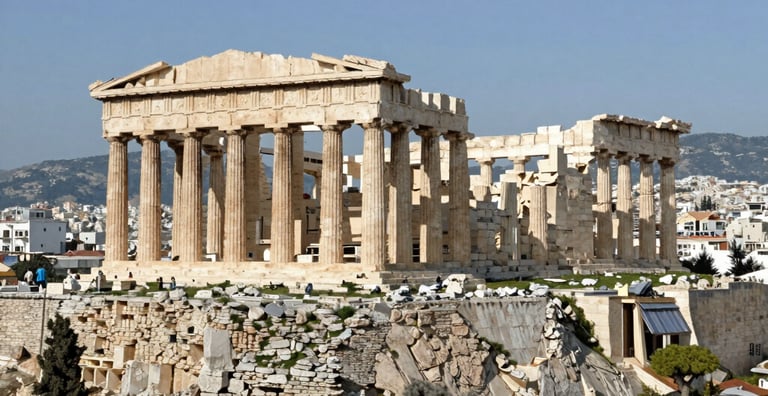
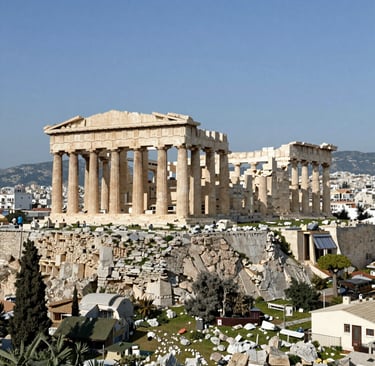
The Parthenon
Key Takeaways
Visit Athens in spring (April to early June) or fall (mid-September to October) for the best mix of warm weather, lighter crowds, and lower prices—avoid July and August heat.
Budget €1,200 to €2,000 for two on a comfortable 7-day mid-range trip from Europe (or $2,000 to $3,500 from the US), focusing on central stays in Plaka or Monastiraki, casual meals, and walkable sights.
If you want to follow a simple 5-day itinerary: Acropolis and museum first, then Ancient Agora, Temple of Zeus, National Archaeological Museum, with easy add-ons like Cape Sounion.
Guided tours (€40-€100) add context to the ruins and food, but self-guided tours work well since major sites cluster together for easy walking.
Save by flying midweek, booking early for the shoulder season (between peak and off-peak), staying central, and mixing tavernas with cheap bakery stops.
Choose the best time to go to Athens for the weather and lower prices
Timing shapes your whole Athens holiday. The city can feel bright and breezy in one season, then hard work in another. For most travelers, the sweet spots are spring, from April to early June, and fall, from mid-September to October.
Those months give you warm days, easier walks, and lighter crowds. Spring often feels mild to warm, while early fall stays sunny and pleasant. In contrast, July and August often climb above 90°F, and the heat can wear you down fast when you're walking uphill to the Acropolis with little shade. City breaks are best taken in the shoulder season to avoid the heat. Winter is cooler and quieter, with more rain, but prices are usually better.
If lower prices matter as much as weather, shoulder season stands out. Hotels and flights can run about 20 to 50 percent less than peak summer, which makes a big difference on a week-long trip. If you want a helpful seasonal snapshot, this 2026 Athens timing guide gives extra context.
Go in spring or fall if you want the best mix of sunshine and sightseeing
April and May are hard to beat. Streets look fresher, flowers show up in pockets of the city, and long walks feel good instead of punishing. You can visit the archaeological sites in the morning, take a lazy lunch, and still have energy for an evening walk in Plaka or to experience open-air cinemas, a unique activity that captures the local atmosphere during these warmer months.
Mid-September through October also works beautifully. The days still feel warm, the light stays golden, and the sea can still be warm enough for a swim if you add a coastal stop. For a fuller month-by-month feel, this Athens weather breakdown is useful.

Plan your Athens holiday budget before you book
Athens can be kind to your wallet, but only if you price it out before you click "book." For a 7-day mid-range trip for two, your total depends most on airfare and how often you sit down for full meals.
Here's a simple planning range for 2026.
ExpenseTypical costFlights from Europe, per person€200 to €400Flights from the US, per person$800 to $1,500Central mid-range hotel, 7 nights€700 to €1,000Casual meals total, for two€150 to €250Attractions total, for two€100 to €200Local transport total€50 to €100
If you're flying from Europe, a comfortable trip for two often costs around €1,200 to €2,000 before extras. In the US, a comfortable total often sits between $2,000 and $3,500, especially if you book airfare early and keep food casual. Deal hunters sometimes beat those numbers, but they're solid planning ranges.
What you can expect to spend on flights, hotels, food, and local travel
Flights swing the most. From the US, fares can sometimes dip lower, but $800 to $1,500 per person is still a safe budget range. Central hotels for seven nights often fall between €700 and €1,000 for a good mid-range stay, especially in spring and fall.
We strongly recommend using Trivago as a hotel price-comparison site. They filter your requirements on budget, location, facilities, ratings, and dates. See their massive range for Athens here.
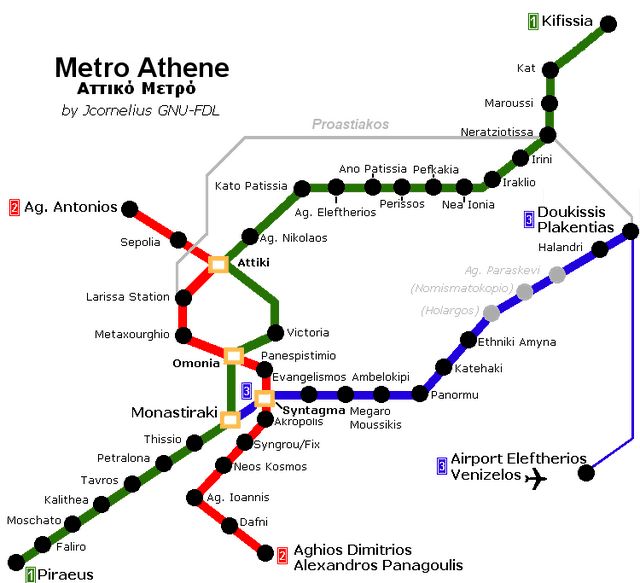
Try to stay in Plaka or Monastiraki if you can. You'll pay for the location, but you may save time and transportation costs because so much is within walking distance. For getting into town, the airport bus is about €5, the metro from the airport is about €10, and a taxi is often around €40. A weekly public transport pass is roughly €20 per person, depending on the ticket you choose.
Attractions are manageable if you group them well. Major sites and tours often add about €30-€100 per person, depending on what you book. If you want route ideas before locking in your hotel, these first-time Athens itinerary ideas can help.
Simple ways to keep costs down without missing the best parts
A few small choices go a long way in Athens.
Fly mid-week if you can, because fares often look better. Book early for spring and fall, since those dates go fast. Stay central, then walk between the Acropolis, Plaka, Monastiraki, and Syntagma instead of paying for extra rides.
Food is another easy win. Mix tavernas with gyros, bakery breakfasts, and coffee stops. Athens is one of those cities where a cheap lunch can still feel great. Also, pick shoulder season over peak summer. You'll often spend less and enjoy the city more.
See the highlights with a simple Athens itinerary
Athens is best when your plan feels light on paper but full in real life. You don't need a packed schedule to enjoy it. In fact, first-timers usually do better with one major historic site, one neighborhood wander, and one good meal per day.
A five-day stay gives you room to breathe. You can shorten this plan to three days, or stretch it with a beach break or nearby island, but the logic stays the same. Group nearby sights together and save your energy for late afternoons and evenings, when the city starts to glow.
Pick winter or shoulder season if saving money matters most
November through March is usually the cheapest time to go. Flights and hotels often drop the most then, and you'll see fewer tourists. The trade-off is simple: cooler weather, shorter days, and some wet afternoons.
Still, the period between peak and off-peak (shoulder season) often gives the best value. You save money without giving up the easy sightseeing that makes Athens fun. If you want the city's best side without summer prices, that's the smart middle ground.


If long uphill walks in strong sun sound miserable, skip July and August.
Plan your Athens holiday budget before you book
Athens can be kind to your wallet, but only if you price it out before you click "book." For a 7-day mid-range Athens holiday for two, your total depends most on airfare and how often you sit down for full meals.
If you're flying from Europe, a comfortable trip for two often costs around €1,200 to €2,000 before extras. In the US, a comfortable total often sits between $2,000 and $3,500, especially if you book airfare early and keep food casual. Deal hunters sometimes beat those numbers by looking for holiday packages, but they're solid planning ranges.
What you can expect to spend on flights, hotels, food, and local travel
Flights swing the most. From the US, fares can sometimes dip lower, but $800 to $1,500 per person is still a safe budget range. Central mid-range hotels for seven nights often fall between €700 and €1,000 for a good stay, especially in spring and fall, while luxury hotels suit those with higher budgets.
Try to stay in Plaka or Monastiraki if you can. You'll pay for the location, but you may save time and transportation costs because so much is within walking distance. For getting into town, the airport bus is about €5, the metro from the airport is about €10, and a taxi is often around €40. A weekly public transport pass is roughly €20 per person, depending on the ticket you choose.
Attractions are manageable if you group them well. Major sites and tours often add about €30 to €100 per person, depending on what you book. If you want route ideas before locking in your hotel, these first-time Athens itinerary ideas can help.
Simple ways to keep costs down without missing the best parts
A few small choices go a long way in Athens.
Fly mid-week if you can, because fares often look better. Book early for spring and fall, since those dates go fast. Stay central, then walk between the Acropolis, Plaka, Monastiraki, and Syntagma instead of paying for extra rides.
Food is another easy win. Mix traditional tavernas with Greek food, bakery breakfasts, and coffee stops. Athens is one of those cities where a cheap lunch can still feel great. Also, pick shoulder season over peak summer. You'll often spend less and enjoy the city more.
See the highlights with a simple Athens itinerary
Athens is best when your plan feels light on paper but full in real life, immersing you in its ancient history. You don't need a packed schedule to enjoy it. In fact, first-timers usually do better with one major historic site, one neighborhood wander, and one good meal per day.
A five-day stay gives you room to breathe. You can shorten this plan to three days, or stretch it with a beach break or nearby island, but the logic stays the same. Group nearby sights together and save your energy for late afternoons and evenings, when the city starts to glow.
A sample 5-day Athens holiday plan for first-time visitors
Here's a simple first-trip flow:
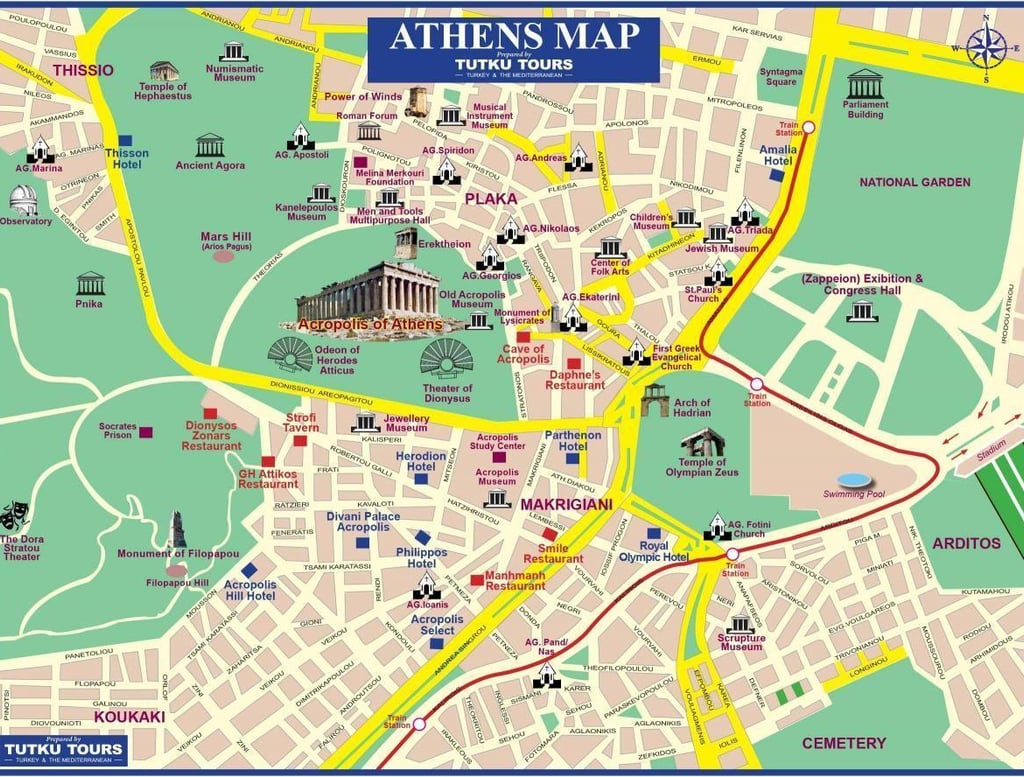
Day 1: Arrive, settle in, then visit the Acropolis Museum. After that, take an easy evening walk through Plaka and stop for dinner featuring must-try moussaka.
Day 2: Start early at the Acropolis and Parthenon, UNESCO World Heritage sites. Later, visit nearby viewpoints, such as Areopagus Hill, for wide city views.
Day 3: See the Ancient Agora and the nearby Temple of Olympian Zeus, browse Monastiraki, then head to Syntagma Square to catch the guard change, and visit the Panathenaic Stadium linked to the Olympic Games.
Day 4: Spend the morning at the National Archaeological Museum. Later, shop, sit in a café, or take a sunset trip to Cape Sounion if time allows.
Day 5: Keep your last morning slow. Walk Ermou Street, grab one more coffee and pastry, then head out.
That plan gives you ruins, museum time, shopping, food, and a lighter final day. Entry costs stay fairly reasonable, too. The main archaeological ticket is often around €30 per person, while guided extras or add-on tours can push your total closer to €100.
Easy add-ons if you want more than ruins and museums
Athens has range, which is why it sticks with you. Add a food market, a rooftop drink with an Acropolis view, or a slow walk through Anafiotika if you want a softer pace. Those moments give the city color beyond the stones. For sunset views, head to Lycabettus Hill.
Cape Sounion is the best extra if you want one memorable outing without overloading the trip, where you can visit the Temple of Poseidon overlooking the Aegean Sea. Or take a trip along the Athenian Riviera. Keep it as a half-day or evening plan so the rest of your holiday still feels easy.
Decide if a tour guide will make your trip better
You can absolutely enjoy Athens on your own. The city's main sights cluster well, and walking between them is part of the fun. Still, there are days when a guide saves you time and makes the ruins come alive.
The Acropolis, the sacred rock and ancient citadel, is the clearest example. Without context, you may admire the views and move on. With a good guide, the place starts to make sense, and its ancient temples are best understood in the context of expert guidance. The same goes for food walks, where local insight into Greek culture helps you skip average stops and find better ones.
Best guided tours to book in Athens and what they usually cost
For many first-timers, a small-group walking tour is the sweet spot. Acropolis and Parthenon guided walks often cost around €40 per person for about two hours. Acropolis plus museum tours usually run €50 to €60. Food tours often cost around €60 to €80, while full-day city tours can reach €100 or more.
Private half-day tours often start at around €70-€94 per person, and prices can go higher depending on group size and what's included. Small groups often stay under 20 people, which feels manageable if you want structure without a crowd. You can compare current tour options or browse broader Athens excursions here.
When a private guide is worth it, and when a group tour is enough
A group tour is usually enough if you want value, ease, and a simple intro to the city. You show up, listen, ask a few questions, and move on with the rest of your day.
A private guide makes more sense if you're traveling with family, have limited time, or want a custom pace. You'll pay more, but you'll get flexibility and more personal attention. If your trip is short, that extra focus can be worth it.
Athens rewards smart choices more than big budgets. Match the season to your goals, book the key sights early, and keep your daily plan simple.
Then leave room for the good stuff: long dinners, evening walks, and those moments when the city suddenly feels both ancient and alive at once. If that sounds like your kind of Athens holiday, Athens is ready for you.
This post contains affiliate links. If you click through and make a purchase, I may earn a commission at no additional cost to you
Conclusion
Contact
Connect
admin@citiesabroad.com
© 2025. All rights reserved.