
Common Tourists Scams
4/2/202610 min read
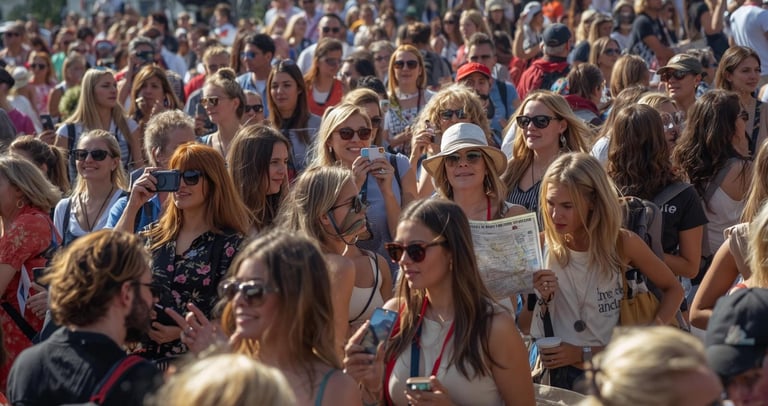

Travel should feel exciting, not stressful. Still, when you're in a new place, it's easier to miss warning signs of common travel scams. Scammers know that. They look for visitors who are distracted, tired, polite, or unsure of local rules.
That doesn't mean you need to fear every stranger. It just helps to know the tricks before you run into them. From fake taxi problems to public Wi-Fi traps, these scams show up in big cities, beach towns, airports, markets, and transit hubs all over the world.
A little awareness, along with travel insurance, can save you money, protect your belongings, and keep your trip on track.
Friendship Bracelet Scam
A stranger comes up smiling and offers you a bracelet, string charm, or small gift. Before you can react, they tie it onto your wrist. Then the tone changes, and they demand money for it. Sometimes they get loud to pressure you. In busy areas, a second pickpocket may use the distraction to pick your pocket.
Keep your hands close and don't stop walking. If someone tries to give you something for free, say no and move on. If they still put it on you, leave first and remove it later.
The Fake Petition or donation setup
Someone, often holding a clipboard, asks you to sign for a cause. It may be framed as support for children, disability services, or animal welfare. Once you sign, they push you for money. At the same time, an accomplice may go through your bag or pockets.
The safest move is simple, decline and keep walking. Don't stop to read the form. If you want to support a real charity, donate through an official source you can verify yourself.
The "your hotel is closed" lie
After you land, a taxi or tuk-tuk driver tells you your hotel is full, shut down, unsafe, or under repair. This misleading claim is a common ploy in vacation rental scams, in which scammers suggest a different hotel, usually one that pays them a commission. Sometimes they take you to a place with a similar name and hope you won't notice.
Don't accept that kind of claim without checking. Call your hotel or message them directly. Use secure payment methods for bookings to add protection, and if the driver refuses to take you to your booking, get another ride.
The Broken Taxi Meter Trick
This one catches a lot of first-time travelers. Once you're in the cab, the driver says the meter doesn't work. Then they quote a much higher fare than normal. In other cases, they turn on the meter but drive the longest route possible.
Before you get in, ask if the meter works and get a rough fare estimate. If the answer feels vague or pushy, walk away. Rideshare apps can help because prices are shown in advance.
The fake ride-share pickup
At airports and train stations, someone may pretend to be your app driver. They might say your name out loud or show you a phone screen. If you get in the wrong car, they can overcharge you or take you on a longer route for cash.
Always check the license plate, driver photo, and car model in the app. Also ask the driver who they're picking up before you say your name. For travelers who prefer to drive themselves securely, an International Driving Permit offers a reliable alternative.
The helpful ATM stranger
You're using an ATM in an unfamiliar place where a card skimmer might be present, and someone offers help. They may say the machine is tricky, ask you to re-enter your PIN, or stand close enough to watch. In the worst cases, they distract you while someone takes your cash or swaps your card.
Use ATMs inside banks, malls, or other secure places. Cover the keypad every time to protect your credit card. If someone gets too close, cancel the transaction and leave.
The fake police officer
A person in plain clothes flashes a badge and claims you've broken a law. They may accuse you of carrying fake money, crossing the street wrong, or breaking a local rule. Then they demand cash on the spot.
Stay calm and ask to go to a local police station. Real officers don't usually ask for cash fines on the street. If the person gets angry or refuses, head toward a busy public place.
The overpriced currency exchange
This Fake Currency Scam features a booth advertising amazing exchange rates, but the deal falls apart once you hand over your money. You may get less cash than expected, fake bills, or hidden fees. Some scammers count quickly to confuse you or swap notes during the exchange.
Stick to banks or reputable exchange counters. Count your money before you leave. It also helps to know what the local bills look like before you arrive.
The fake closed attraction
You show up at tourist sites like a famous temple, museum, or landmark, and someone nearby says it's closed. They may mention a holiday, private event, or sudden repair. Then they offer to take you somewhere else, usually a shop or tour where they get paid.
Don't trust a stranger standing outside the gate. Check the official site, look for posted signs, or ask staff at the entrance. If it's truly closed, you'll get clear information from an official source.
The market price rip-off
In tourist-heavy markets, vendors may quote much higher prices because they assume you don't know the local cost. They may also claim an item is handmade, rare, or antique when it's actually mass-produced.
Take your time and compare stalls. If you see the same item in several places, you know it's not one of a kind. In many markets, bargaining is normal, so don't feel pressured to buy right away; offers that seem too good to be true on antiques are usually mass-produced.
The free drink or food trap
A friendly stranger offers you a drink, snack, or sample. Later, scammers may request payment via "Gift Cards" or vanish, leaving you with a large bar tab. In more serious cases, the drink could be tampered with.
Don't accept food or drinks from strangers unless you're fully in control of the situation. If someone buys you a drink, watch it being made and keep it with you at all times. For added safety, contact Global Emergency Response if you suspect any danger.
The public Wi-Fi trap
Fake Wi-Fi networks often copy names like "Free Airport Wi-Fi" or "Hotel Guest Network." Once you connect, scammers can track what you type, steal your personal details, or infect your device with malware.
Use only official networks, and confirm the exact network name with staff. Avoid logging into banking apps or sensitive accounts on public Wi-Fi. If possible, use mobile data or a VPN.
The room call credit card scam
Late at night, scammers often use robocalls to contact your hotel room and say they're from the front desk. They claim there's a payment issue and ask you to read out your card number again.
Never give Credit Card details over the phone. Hang up and call the front desk yourself using the room phone, or go downstairs in person.
The rental damage scam
You rent a scooter, bike, car, or even an e-scooter. When you bring it back, the company says you caused damage that was already there. Some places even hold your passport and refuse to return it until you pay.
Before you leave, take clear photos and videos from every angle. Include scratches, dents, mirrors, wheels, and the fuel level if needed. Don't hand over your passport as a deposit unless you absolutely have no other option.
The rental gear repair fee scam
This works much like the vehicle version, but with surfboards, jet skis, bikes, and beach gear. You return the item, and the vendor suddenly points out "new damage" and demands a repair fee.
Use rental shops with reviews and clear terms. Take photos before and after. Travel insurance can help resolve rental disputes, and paying a little more for a trusted place is often cheaper in the long run.
Found Ring Scam
Someone picks up a ring from the ground and asks if it's yours. When you say no, they insist you keep it. A moment later, they ask for money because they "gave" you something valuable.
Don't take anything. Say no and keep moving. Street gifts almost always come with a catch.
The bag helper at bus or train stations
At crowded stations, someone offers to carry your bag. If you let go, they may run off with it. In other cases, they carry it a few steps and then demand money.
Keep your luggage in your own hands unless you're dealing with a uniformed staff member, as these helpers may work with pickpockets. If someone grabs your bag, hold on and say no clearly.
The luggage weight helper at the airport
Near check-in, where risks like Charter Flight Scams can occur, a person may offer to put your suitcase on the scale. Then they ask for a tip or refuse to step away until you pay. Sometimes they're not staff at all.
Only accept help from airline or airport workers with visible ID. If you need assistance, ask at the counter directly.
The bump-and-pickpocket move
A person bumps into you, spills something, or drops a bag near you. While you react, pickpockets steal your wallet or phone. It happens fast, especially in crowded squares, buses, and train stations.
Wear your bag across your body and keep zippers closed. After any sudden collision or distraction, check your valuables right away.
The gas station distraction
While you're filling up a car, perhaps abroad where an International Driving Permit is required, someone points to a problem with your tire, door, or bumper. You step away to look, and their partner reaches into the car for your bag or phone.
Lock the doors when you're not inside the car. Keep valuables out of sight, and don't leave the driver's side open while you check anything. If there's a genuine issue, call the American Automobile Association for roadside assistance.
The fake temple or street blessing
Near temples or busy Tourist Sites, someone dressed as a monk or spiritual guide offers a blessing, a bracelet, a flower, or a token. Afterward, they demand payment and may pressure you into giving more.
Decline politely and keep walking. If you want to donate at a religious site, use the official donation box inside.
The fake tour guide
Someone on the street offers a private tour at a discount. Once you agree, the price changes, or they lead you to overpriced shops and demand extra fees. In some cases, the route itself is unsafe.
Book vacation packages through your hotel, a reputable agency, or a platform with real reviews. Don't rely on someone who approaches you out of nowhere.
The photo offer scam
A stranger offers to take your photo in front of a landmark. You hand over your phone or camera, and they run. Another version involves someone posing in costume, then demanding money after the photo.
Ask another traveler, a family, or a staff member to take your photo instead. Steer clear of similar street distractions like the Shell Game. If someone starts posing beside you without asking, stop the interaction and leave.
The Wi-Fi password swap
In a cafe or hotel, someone nearby offers the Wi-Fi password or shows you a QR code to scan. The code may lead to a fake login page that steals your personal details.
Get the password from the staff only. Also, skip random QR codes unless they come from an official menu, sign, or employee, just as you would avoid a card skimmer.
The fake currency calculator
A vendor types numbers into a calculator or phone app to show you the price in your home currency. Either the rate is wrong, or the math is manipulated, and you end up overpaying.
Use your own phone to convert prices and avoid risky options like wire transfer. Even a rough idea of the exchange rate helps you catch bad deals quickly.
The wrong change shuffle
In a busy market or food stall, a seller quickly counts out your change. They hand over the wrong amount or slip in a smaller bill, hoping you won't notice.
Take your time and count your change before walking away. Secure payment methods, such as using small bills or exact cash, make this much easier.
The counterfeit money swap
You hand over a large note, and the seller quickly switches it with a smaller one or a fake bill. Modern scammers often request cryptocurrency as a payment method, then claim you paid with the wrong amount and ask for more.
Keep your cash organized and know which bill you're handing over. Say the amount out loud as you pass it across.
The dual menu scam
Some restaurants have one menu for locals and another for tourists. The tourist version lists higher prices or hidden fees. You may not notice until the bill arrives.
Read the menu before you order, and compare prices online when you can. Opt for secure payment methods, and if the final bill looks wrong, ask for an itemized receipt.
The fake charity performance
Street performers invite you to dance, join a game, or take part in a "charity" event, similar to the deceptive Shell Game. Once you're involved, they surround you and push for money.
Watch from a distance if you want to enjoy the show. If you choose to join, expect that they'll ask for payment afterward.
The begging child guilt scam
In some places, children are sent to ask tourists for money. It feels cruel to say no, but the money often goes to the adults who control them.
If you want to help, support a local charity or community group instead. That way, your money has a better chance of reaching the right people.
The free spa sample trap
In tourist shopping areas or beach zones, as one of many Free Vacation Offers, someone offers you a free massage, lotion sample, or beauty treatment. Once you're seated, they push expensive services or try to charge you for something you didn't agree to.
Avoid "free" offers from people who approach you on the street. Choose spas with posted prices and solid reviews.
The dropped wallet or phone trick
A person drops a wallet or phone in front of you and waits to see what you do. If you touch it, they accuse you of trying to steal it or breaking it. Then their friends step in and demand money.
Don't pick it up. Point it out and let the owner take it themselves. If the scene feels staged, walk away fast.
Common travel scams like the dropped wallet trick, robocalls, fake petition scams, friendship bracelet scams, and found ring scams work because they create pressure. You feel rushed, distracted, embarrassed, or eager to be polite. That's why your best defense is to slow down. Check the details, hold on to your belongings, and trust your gut when something feels off. Never make payments via wire transfer, gift cards, or cryptocurrency, and if targeted, report incidents to local police right away. The more aware you are, the easier it gets to enjoy your trip without handing your money to the wrong person.
Stay vigilant with this quick checklist for other risks:
Beware timeshare resale scams from aggressive sellers.
Avoid charter flight scams promising cheap deals.
Be cautious of travel document scams that target your passport or visa.
Double-check for travel document scams in crowded areas or online offers.
This post contains affiliate links. If you click through and make a purchase, I may earn a commission at no additional cost to you...
Get city tips and travel stories by email
Contact
Connect
admin@citiesabroad.com
© 2025. All rights reserved.